


Why is oculomotor function important in visual perception and cognition?
Eye tracking, the fascinating technology that records our eye movements to better understand our visual perception, is a powerful tool that opens new perspectives in various fields. In this article, we will explore the importance of oculomotor function, the link between oculomotor control and cognition, and the impact of eye tracking on our visual performance. By understanding these elements, we can perceive our interaction with the visual world in a new light and optimize our vision of the world.
The importance of oculomotor function in visual perception and cognition
Oculomotor function plays a central role in our visual perception and cognition. Through precise and coordinated eye movements, we can explore our visual field, focus our attention on specific elements, and track moving objects. This complex ocular system is essential for spatial perception, shape recognition, reading, driving, and many other daily visual activities. Beyond visual perception, oculomotor function is closely linked to our cognitive processes. A cognitive process refers to all the mental activities that occur in our brain, allowing us to perceive, understand, think, solve problems, make decisions, and act appropriately in our environment. These processes include memory, attention, perception, reasoning, learning, language, decision-making, and many others. Eye movements reflect our visual processing of information, our decision-making, and our selective attention. Thus, by understanding the link between oculomotor function and cognition, we can better understand our interaction with the visual world and improve our performance in various fields.
The link between oculomotor function, visual attention, and visual performance
Oculomotor function and visual attention are closely linked, as eye movements reflect our attention to visual stimuli. Effective visual attention is crucial for optimal visual performance in various activities.
The role of visual attention in visual performance
When we pay sustained and selective attention to important details in our visual environment, our eye movements adjust accordingly to explore these relevant elements. For example, in sports, an athlete who maintains focused attention on the ball during a football match can anticipate its trajectories and make quick, precise decisions. Similarly, in a professional environment, well-targeted visual attention allows an employee to stay focused on important tasks, thereby improving efficiency and productivity.
Improving cognitive abilities through visual attention training
Working on visual attention can also lead to benefits in cognitive abilities. By paying attention selectively and avoiding visual distractions, our brain is able to process information more efficiently. This can lead to an increase in visual processing speed, visual memory, and rapid decision-making. Furthermore, better visual attention can promote the learning and retention of visual information, thereby improving academic and professional performance.
The quality of binocular vision, eye-hand coordination, visual processing speed, and visual attention are all determining factors for optimal visual performance.
Improving Visual Performance: A Key Advantage of Eye Tracking
Visual performance is crucial in many aspects of life, whether in sports, work, driving, or daily activities. To optimize this performance, it is essential to understand the factors that influence our vision. The quality of binocular vision, eye-hand coordination, visual processing speed, and visual attention are all determining factors for optimal visual performance. This is where eye tracking comes into play. This technology for recording eye movements allows for an objective and precise evaluation of visual performance. By analyzing this data, healthcare professionals and coaches can identify areas of weakness and potential points for improvement. Thanks to this detailed evaluation, personalized visual training programs can be designed, targeting the specific aspects to be improved for each individual. These visual training techniques can benefit athletes seeking to improve their sports performance, professionals wishing to increase their visual productivity, and individuals eager to optimize their daily vision.
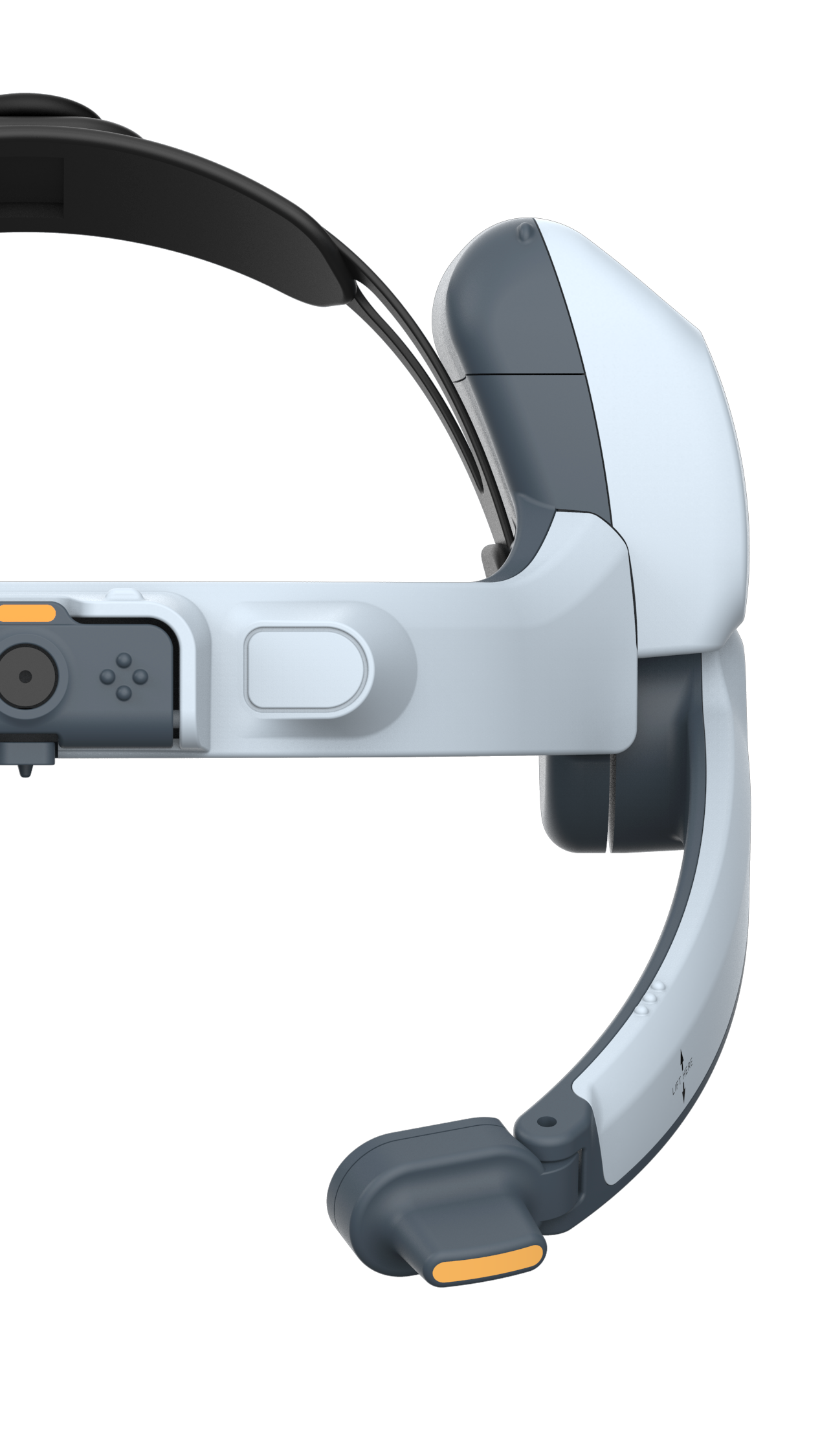
In conclusion, eye tracking is a technology that opens new perspectives for better understanding our visual perception, our cognition, and our performance in various fields. By exploring the importance of oculomotor function, the link between oculomotor control and cognition, and the impact of eye tracking on our visual performance, we can improve our interaction with the visual world. Whether in sports, work, or daily life, oculomotor function and eye tracking are valuable assets for optimizing our vision of the world. By relying on these powerful tools, we can reach new heights of visual performance, opening up an exciting future where every eye movement counts.

