

The Power of Eye Tracking: Discover the Visual Revolution
Eye tracking, a fascinating technology that captures eye movements, has opened new perspectives in various fields, offering revolutionary opportunities to understand and optimize our vision. This cutting-edge technology creates a precise map of gaze, revealing the secrets of how we perceive the world around us. In this article, we delve into the world of eye tracking and explore how this technology is revolutionizing the way we interact with our environment.
Eye Tracking Technologies and Methods
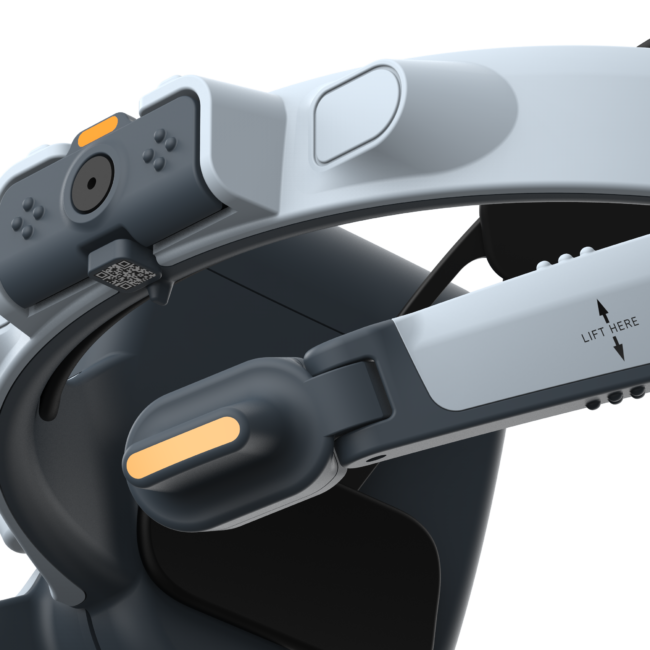
Eye tracking relies on sophisticated technologies to capture the subtle movements of our eyes with high precision. Methods such as camera tracking, corneal reflection detection, and the use of infrared sensors allow for the real-time recording of ocular displacements with remarkable fidelity. These technological advances have significantly improved data reliability and made eye tracking accessible to a wide range of application areas.
Practical Applications in Research, UX Design, Healthcare, and Sports Performance
Eye tracking has quickly established itself as an indispensable tool in scientific research, offering unprecedented insight into human visual behavior. Studies on reading, visual attention, advertising, and cognition leverage eye tracking to obtain in-depth information and new perspectives. In the field of UX design, eye tracking has revolutionized the evaluation of user interfaces by allowing the tracking of users' visual paths and identifying areas of interest and potential friction. The healthcare sector has also been profoundly impacted by eye tracking. Healthcare professionals, such as orthoptists, can diagnose and treat visual disorders with unparalleled precision by recording patients' eye movements. Eye tracking also opens new possibilities in sports performance by allowing for the analysis of how athletes visualize their environment, thus offering unique perspectives to optimize training techniques and improve performance.
While challenges remain, the benefits of eye tracking are undeniable, paving the way for an exciting future where our vision of the world will be clearer and more enlightened than ever.
The Benefits and Challenges of Eye Tracking
The use of eye tracking offers numerous benefits. It provides an objective measure of visual behavior, allowing for an understanding of how individuals react to specific stimuli. This in-depth knowledge can be used to design more user-friendly products and environments, improve medical diagnostics, and refine marketing strategies. However, eye tracking faces certain challenges. The collection and analysis of large amounts of data require specialized resources. Calibration issues, individual variations, and cultural differences can influence results and require careful attention. Despite these challenges, eye tracking continues to develop by leaps and bounds, paving the way for new discoveries and even more extraordinary innovations.
In conclusion, eye tracking is a true visual revolution, revealing the subtleties of our gaze and perception. Fields as varied as research, UX design, healthcare, and sports are leveraging this technology to optimize their processes and push the boundaries of knowledge. While challenges remain, the benefits of eye tracking are undeniable, paving the way for an exciting future where our vision of the world will be clearer and more enlightened than ever. In this new era of visual discovery, eye tracking plays a central role, offering a fresh look at what surrounds us and what lies behind our eyes. As we continue our quest to understand the power of the gaze, eye tracking will continue to light our path toward new perspectives and possibilities.

